
How Long Can North Carolina Collect Back Taxes?
If you’ve ever received a letter from the North Carolina Department of Revenue and felt your stomach drop, you’re not alone. Many homeowners and small business owners across the state have faced the same question at one point or another. How long can North Carolina legally try to collect back taxes? The answer depends on a few key details, but understanding the rules can make a huge difference in how you move forward and how much peace of mind you regain.
Let’s unpack what really happens when the state says you owe money and how long they can continue to pursue it.
What Does “Back Taxes” Actually Mean?
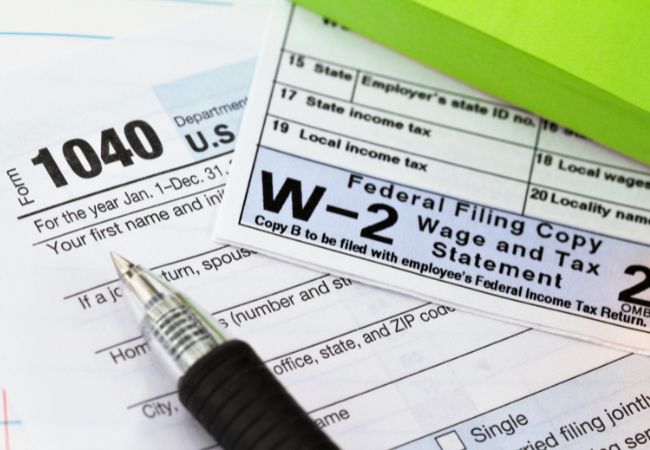
When people talk about “back taxes,” they’re referring to any taxes that weren’t paid in full by the deadline. It could be unpaid income tax, sales tax for a small business, or even something that arose from a filing error years ago. Sometimes the issue is as simple as a missed filing or miscalculated withholding. Other times, it’s more complex, such as when a business struggles through a tough year and falls behind.
Regardless of the cause, once a balance goes unpaid, the North Carolina Department of Revenue (often called NCDOR) can add penalties and interest. That’s where the stress usually starts to pile up. A small balance can turn into a big problem over time. And while the IRS has its own federal timeline, each state operates under its own rules.
Understand the Time Clock on Collection Efforts
Every state has a kind of invisible clock that determines how long it can pursue unpaid taxes. This is called the statute of limitations. Think of it as a legal stopwatch that begins once the state officially determines you owe money. Once that period ends, the state generally loses its right to continue collection efforts.
In North Carolina, there are actually two different clocks to pay attention to; the time the state has to assess a tax and the time it has to collect it.
Assessment vs. Collection – What’s the Difference?
Here’s where things get a little technical but still important.
- Assessment period: This is how long the state has to determine or “assess” that you owe additional taxes. Usually, the North Carolina Department of Revenue has three years from the date you filed your return to issue an assessment. If you never filed a return or if fraud is suspected, that three-year limit can disappear entirely.
- Collection period: Once the tax has been assessed and the amount officially established, a second clock starts ticking. North Carolina generally has 10 years from the date of assessment to collect the tax. That means they can garnish wages, place liens, or levy bank accounts during that decade-long period.
If you’re counting, that’s potentially 13 years total between assessment and collection, assuming no extensions or pauses come into play.
How North Carolina Compares to Other States
North Carolina’s 10-year collection window is fairly typical across the country. States like Virginia and South Carolina follow similar timelines, while others may have shorter limits, for example, California and New York often work within a 7- to 10-year range depending on circumstances.
Still, it’s worth remembering that every state’s rules have exceptions, and North Carolina is no different. Some situations can restart or extend the clock, keeping the debt alive longer than you might expect.
When the Clock Can Keep Ticking Longer
Here’s the part that surprises many people. The statute of limitations isn’t always set in stone. Certain actions can pause the countdown or even reset it altogether.
Missing or False Returns
If you never filed a return, the clock doesn’t start at all. The state can come after you indefinitely because there’s technically nothing to measure time against. Similarly, if a return was filed fraudulently, the limitation period is void. In other words, the 10-year rule doesn’t protect cases of fraud or evasion.
That’s why it’s often better to file late than not at all. Even if you owe money, submitting your return starts that clock ticking and eventually brings you closer to resolution.
Payment Plans and Bankruptcy
Another common scenario that affects the timeline involves payment arrangements or bankruptcy. When you enter into an installment agreement with the North Carolina Department of Revenue, the collection period can pause while you’re in good standing with your payment plan. The same goes for bankruptcy, certain types of filings can temporarily halt collection efforts while the court sorts out your debts.
However, not all tax debts are wiped out through bankruptcy. Some may survive and continue to be collectible once your case closes. That’s one reason it’s helpful to talk with a licensed tax professional before assuming everything will disappear once you file.
What Happens When Time’s Up?
So, what actually happens when the 10-year collection window expires? Generally, the state’s legal right to collect ends. The debt may still show in your records for a time, but the Department of Revenue can no longer pursue garnishments, liens, or other forced collection methods.
That doesn’t always mean your stress vanishes overnight. If the state had already filed a lien against your property, for instance, it might remain on record until it’s formally released. That step can take a bit of extra time and paperwork.
Still, when the statute expires, most taxpayers finally see the light at the end of the tunnel. The account typically moves into “inactive” status, and the Department of Revenue stops pursuing it.
Common Questions from North Carolina Residents
Can the state garnish my wages for old taxes?
Yes, if your taxes are within the 10-year collection period, the Department of Revenue can garnish wages or bank accounts.
What if I moved out of state?
Moving doesn’t erase your debt. North Carolina can still collect through various methods, including contacting your new employer.
Does the 10-year rule restart if I make a payment?
In some cases, yes. Making a voluntary payment or entering a new agreement can reset the timeline. Always confirm the impact before sending money.
What if I never received a notice?
If the Department of Revenue can show they sent one to your last known address, the clock likely still started. That’s another reason it’s important to keep your mailing information up to date.
Finding Help for North Carolina Back Taxes
Handling back taxes alone can be stressful, especially if you’re already juggling other financial challenges. Professional tax help can often make the process smoother. A reputable tax resolution firm can communicate with the state on your behalf, negotiate payment terms, or help determine whether your case is nearing expiration under the statute of limitations.
Fresh Start Tax Resolutions, for example, works with North Carolina residents who owe state or federal taxes. They can review your file, explain your options, and build a plan that fits your financial situation.
Sometimes, just knowing where you stand can make the weight of tax debt feel lighter.
Take the First Step Toward Relief Today
If you’re worried about how long North Carolina can collect back taxes or you’ve been receiving notices that keep you up at night, now’s the time to act. The sooner you understand your rights and timelines, the more options you have to protect your finances and your peace of mind.
Reach out to Fresh Start Tax Resolutions today to schedule a confidential consultation. Their team can help you clarify your situation, communicate with the Department of Revenue, and take the first real step toward putting your tax troubles behind you.