
When financial difficulties arise, wage garnishments can add stress to an already overwhelming situation. Understanding how garnishments work in North Carolina, and how many you can have at one time, is crucial for protecting your financial health. At Fresh Start Tax Resolution Services, we help individuals across the state navigate challenging tax and debt situations, including wage garnishments.
How Many Garnishments Can a Person in North Carolina Have at One Time?
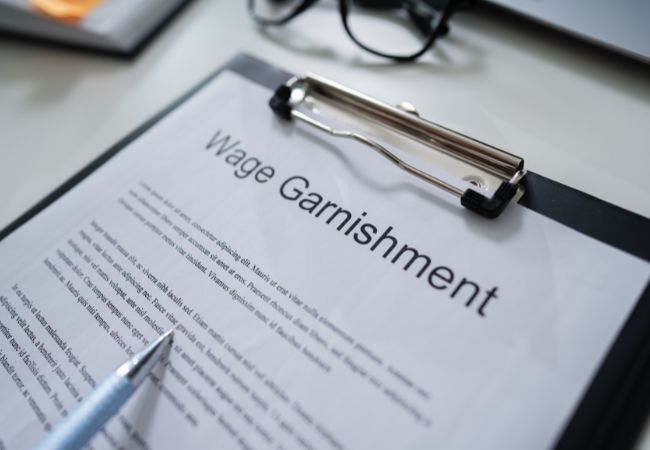
Understanding Wage Garnishments in North Carolina
Wage garnishment is a legal process where a portion of your paycheck is withheld to pay off a debt. This could include unpaid taxes, child support, court judgments, or student loans. Here’s what you need to know about how garnishments work in North Carolina:
Limited Garnishment Types
Unlike some states, North Carolina has strict limitations on the types of debts that can result in wage garnishments. In general, wage garnishment is only permitted for:
-
- Unpaid taxes (federal or state)
- Child support or alimony payments
- Defaulted student loans
- Court-ordered judgments for specific debts
Federal Guidelines for Garnishments
Garnishments are subject to federal guidelines, which limit how much can be taken from your wages. Typically, no more than 25% of your disposable income (the amount left after legally required deductions) or the amount by which your weekly earnings exceed 30 times the federal minimum wage, whichever is less, can be garnished.
One Garnishment at a Time, Except for Child Support
In most cases, North Carolina residents can only have one garnishment per debt type at a time. For instance:
-
- If you owe back taxes and are also behind on child support, both garnishments can happen simultaneously.
- Multiple garnishments for the same debt type are rare but could occur in unique situations involving separate creditors or jurisdictions.
Priority of Garnishments
Garnishments are processed based on priority. For example:
-
-
- Child support garnishments take precedence over other types of debts.
- Tax debts often follow.
- Other debts, like court judgments, are garnished only after higher-priority obligations are met.
-
Protecting Your Income and Rights
If you’re facing garnishments, it’s important to understand your rights and options. Here’s how Fresh Start Tax Resolution Services can assist:
- Evaluate the Legitimacy of Garnishments: Not all garnishments are lawful. We review your situation to ensure that creditors are following proper legal procedures.
- Negotiate Settlements: For tax debts, we can work with the IRS or state authorities to reduce the amount owed or establish manageable payment plans, potentially stopping garnishments altogether.
- Protect Your Financial Stability: If multiple garnishments are affecting your income, we help create a strategy to minimize the impact on your daily life.
Contact Fresh Start Tax Resolution Today: Take Action to Stop Wage Garnishment
If you’re struggling with wage garnishments or are concerned about how many you could face, Fresh Start Tax Resolution Services is here to help. With years of experience representing clients across North Carolina, we provide the guidance and representation you need to regain control of your finances.
Don’t wait for garnishments to disrupt your financial security. Contact us today to schedule a consultation and take the first step toward resolving your debts and finding peace of mind. Together, we’ll create a plan to safeguard your income and future.